For all leaseholders living in homes affected by flammable cladding and fire safety defects, the financial pressure and safety concerns are very distressing. However, many leaseholders who are disabled and/or have health conditions are experiencing additional and complex issues and feel they are being ignored.
I moved into my Birmingham city centre flat in 2008 with the plan it was ‘home for life’. It has two bedrooms (for me and a PA) and I converted the bathroom to a wet room. It has great transport links to enable me to work and I’ve been really happy living there.
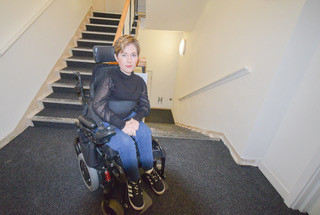
The Fire Service always reassured me that I should ‘stay put’ in the event of a fire and, if necessary, would be supported to use the firefighting lift to evacuate. It now turns out that the lift does not meet firefighting standards and, following the Grenfell Tower tragedy, I do not feel comfortable staying put. I have therefore bought an Evac chair and trained my PAs to use it. In January, my first bills arrived for cladding removal, fire patrolling and insurance – £58,000 – which I have no chance of paying. The insurance and cost of ‘waking watch’ fire patrols have made my service charge go up 4-5 fold.
Around Christmas, I helped set up Claddag – a disability action group. Here are some key access issues our members tell us about:
Evacuation
Most of the disabled people who are contacting us do not have a personal emergency evacuation plan or are very worried about an inadequate one that they are being pressurised to accept. This is particularly the case for those of us in private housing. We moved in to our flats believing the buildings were safe and accepted it was safe to ‘stay put’ in the event of a fire. Now we realise our blocks are unsafe and everyone must evacuate independently and immediately when a fire alarm sounds and without using a lift.
Loss of homes
The escalating costs are wholly unfeasible for all leaseholders. However, as disabled people, we are more likely to be supported by state benefits, live in housing association flats or in properties that we have inherited or have been supported by family to buy. The ‘savings cap’ associated with benefits and care packages restricts us from building up sinking funds for the unexpected bills of remediation costs and escalating service charges. We therefore face losing homes which have been specially adapted to meet our access needs.
Lower height buildings
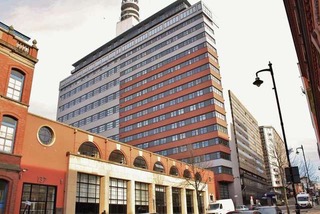
To be eligible for a cladding removal grant, your building must be taller than 18 metres. As disabled people are more likely to live in lower-height buildings, this is disproportionately more likely to exclude us from financial support.
Adaptations and use of Disabled Facilities Grants
Many disabled leaseholders have invested thousands of pounds in making their homes accessible, e.g. installing wet rooms, lowered kitchens, intercoms etc. Our ‘homes for life’ are now at risk. In many cases, contributions to these works on defective buildings will have come from Disabled Facilities Grants.
Government response
In February, the Government announced a further £3.5 billion in funding for cladding remediation. Unfortunately, this is not nearly enough for the hundreds of affected buildings and will not cover internal works, missing fire breaks, waking watch patrols, insurance premiums etc. In addition, no Minister from MHCLG will meet with Claddag or campaigning partners such as Disability Rights UK to discuss the extra costs of disabled leaseholders, including buying evacuation aids.
Grenfell Tower Inquiry
The Grenfell Tower inquiry recommended that the Government develop national guidelines for evacuating high-rise residential buildings, including procedures for disabled and older people and children. Despite promising publicly to implement all the Inquiry’s recommendations in full, last year the Government announced plans to water down the duty with the result that it would apply to only 3% of high-rise buildings.
The family of a disabled resident who died in Grenfell Tower brought a judicial review application on this decision. Evidence showed that fire and housing sector lobbyists described evacuation plans for disabled people as “totally impracticable” and claimed PEEPs put the fire service at risk. The success of the application is forcing the Government to review its proposal. This Home Office review is currently taking place.
How to contact Claddag
- We have a closed Facebook group for affected disabled leaseholders to discuss their issues in a safe space: https://www.facebook.com/groups/1498687113655474%C2%A0
- For campaigning, we have a Twitter account: @Claddag
- We can be contacted by email on LeaseholderDAG@gmail.com