Pembrokeshire – stunning scenery, accessibility improving!
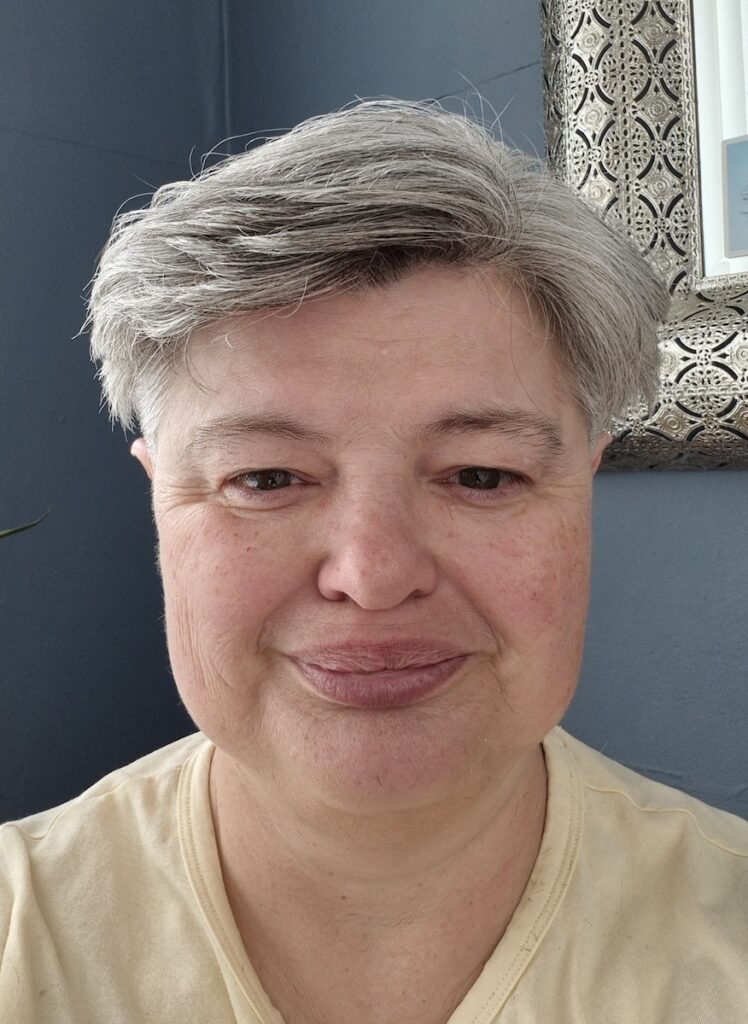
Cards on the table – I’m an accessibility newbie – I started work for Pembrokeshire County Council as Access Officer just over two years ago, initially sharing the role (Hello Jessica!) so I had someone to learn from, and I’m now ‘flying solo’! I made the move after years in Community Transport. Before that, my career was in ships and sea ports, so quite a change!
My job consists largely of engaging with all sorts of accessibility related issues, assessing planning applications, working with other departments in the Council, supporting and connecting with disability and health related organisations and projects, visiting areas of concern with Councillors and answering enquiries from the public – parking is the biggest concern almost every week.
Pembrokeshire (Sir Benfro in Welsh) is a beautiful rural County in the bottom left corner of Wales (Cymru) – a County of spectacular coastline, wonderful wildlife, our Coastal National Park and many small, often scattered communities. We have no motorway or dual carriageway, our only city has a population of 1,750 and we only have 1 Costa Coffee outside the County Town. It is a wonderful place to live, but comes with all the challenges of the modern world, and the added challenges of rurality and remoteness. Pembrokeshire people and our County Council often respond with creativity, energy and application, but there are, of course, tight financial constraints and an existing built environment. Where frequent public transport will never be viable, Pembrokeshire County Council strongly supports community transport, including Fflecsi Bus, Wheelchair Accessible car services and RVS Country Cars. Community Transport in Pembrokeshire provided 51,000 volunteer assisted journeys last year, often to disabled people with no workable alternatives.
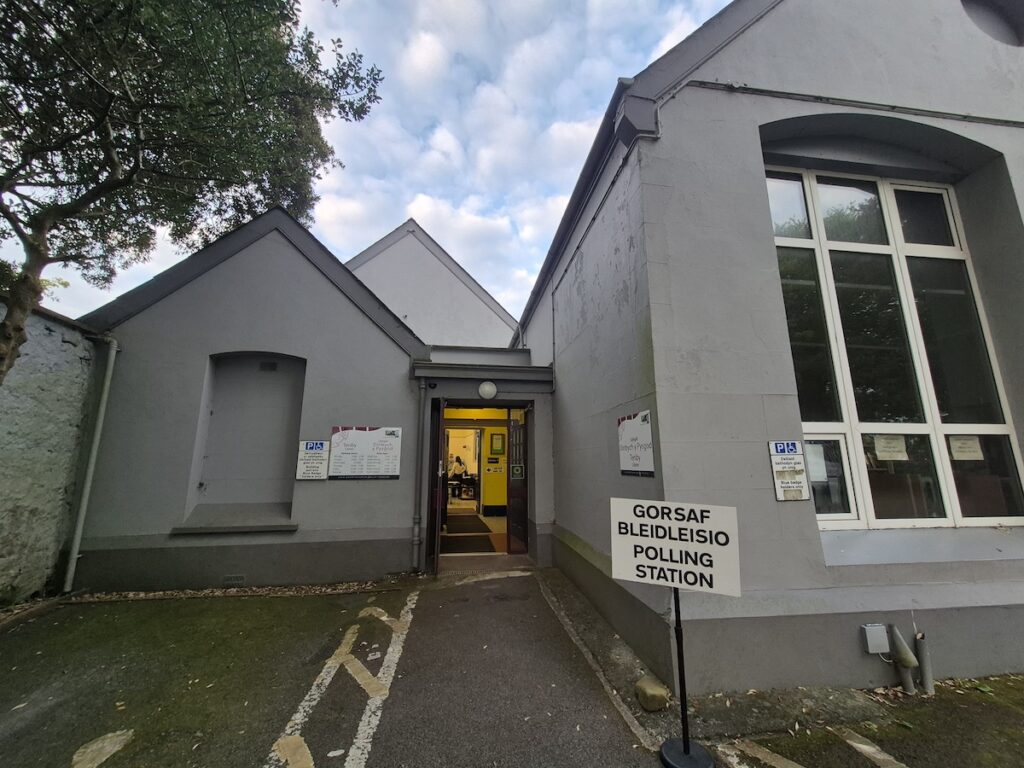
One of the delights of my current role is visiting communities around the County and helping them make old community assets more accessible so the whole community can use them, as far as is humanly possible. In very rural communities (and we do seem to have a lot of those), the last ‘community building’ is often the village hall or pub, and these are increasingly hard to keep open. Some of our communities have bought their pub, as the last community meeting place, and are admirably committed to making old, old buildings, often little more than a stone cottage with a bar, as accessible as they can.
When I first arrive (yes, at a pub; no, I don’t get anything stronger than a coffee) the building may be a shell or an operating pub. Two or three members of the committee will be there, anxious to learn how to make a 300-year-old building with uneven floors accessible for wheelchair users.
We’ll take a walk around the premises, with them raising concerns and me pointing out features like hard to spot steps, narrow doorways and low or glaring lighting, and we talk. They talk about their plans and hopes, how they want to make the building really welcoming and accessible (it’s their community and they really want everyone to feel welcome); they have plans for knitting groups, older people’s lunches, games evenings, selling local beers and community produce.
What usually surprises (and often amazes) them is the huge difference low-cost, thoughtful touches can make to the accessibility of the building; good training, careful signage (often in Welsh, with clear icons or pictures), proper lighting, non-white, non-red loo seats, ‘lever style’ door handles, quiet spaces, multi-format menus, contrasting tones or colours, manoeuvring space, different types of chairs, video walk-throughs of the pub for first time visitors, stoma bag shelves and mirrors in the loo and any number of other details that I’m learning make all the difference for accessibility. We talk about hidden/non-visible disabilities and people not wanting to ‘admit’ that they are losing their sight or have a stoma.
I believe this is easier in small (sometimes tiny) communities – community spaces will just not be viable unless they are accessible, comfortable and welcoming to most of the community and many conversations include comments like “Oh – my aunt would really benefit from that” or “the farmer at the next farm has that condition – I didn’t realise this would help”. In tiny communities, everybody counts, and being able to make things more accessible to everyone is a more personal issue. In our larger communities, people are often very committed to making it work for everyone, too, and often have bigger budgets, which really helps!
Everyone involved in these projects seems very aware that accessibility provision is helpful with securing funding and getting enough people through the door to make a place viable, and awareness of mental ill health, neurodiversity and conditions like long COVID are more visible in all our communities. This awareness helps promote wider accessibility, too.
The disability forecast from Pembrokeshire – visibility improving, pressure still rising but (hopefully) better weather ahead!