The evidence from disabled people shows that there is still a very substantial gap between the rights and obligations that exist in theory, and the daily experience of people who rely on pavements, buses, taxis, trains and planes to get to work, to access services or for leisure. We have sought to understand the reasons why this is the case, and what could be done to bridge that gap. We have focused on three principal factors
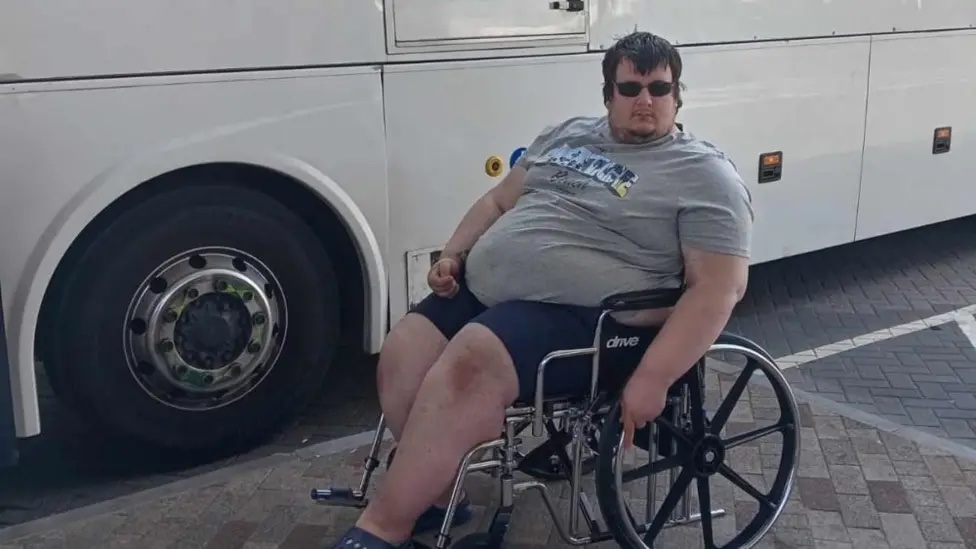
Charley Jonstone-Brent, who uses a wheelchair, said he ended up getting a bladder infection after the accessible toilet on a train he was on was out of service.
The train guard told him there was nothing he could do, suggesting he should “use another toilet” if he could get up and walk.
He told the BBC it made him feel “really depressed” and like he’s “not a person”, describing his treatment as “inhumane”.
“I’ve not turned up to appointments or avoided going on days out with my partner because it gives me such a headache and makes me feel so sick that this is happening.”
One partially sighted guide dog user who gave evidence to MPs about his experiences told the BBC he had reported 88 cab drivers for turning him away because of his dog, and 41 of those received a criminal conviction.
“Standing up to drivers who have discriminated is exhausting and it can be soul-destroying because all you want to do is get to work, or go for a meal, or go to a party,” he said.
Ruth Cadbury MP, who chairs the transport select committee, told the BBC: “I’m so disappointed that my fellow citizens, my constituents can’t make the kind of choices that I can make about how they live their day to day lives.”
MPs say that the current system is too difficult to navigate. They’re calling on the DFT, which is in charge of transportation policy in England, to simplify the system and to look at possible changes to legislation, which in theory, they say could be implemented in other UK nations.
The report calls for a change in culture, which they say is urgently needed to reframe disability inclusion as “a non-negotiable matter of human rights”